


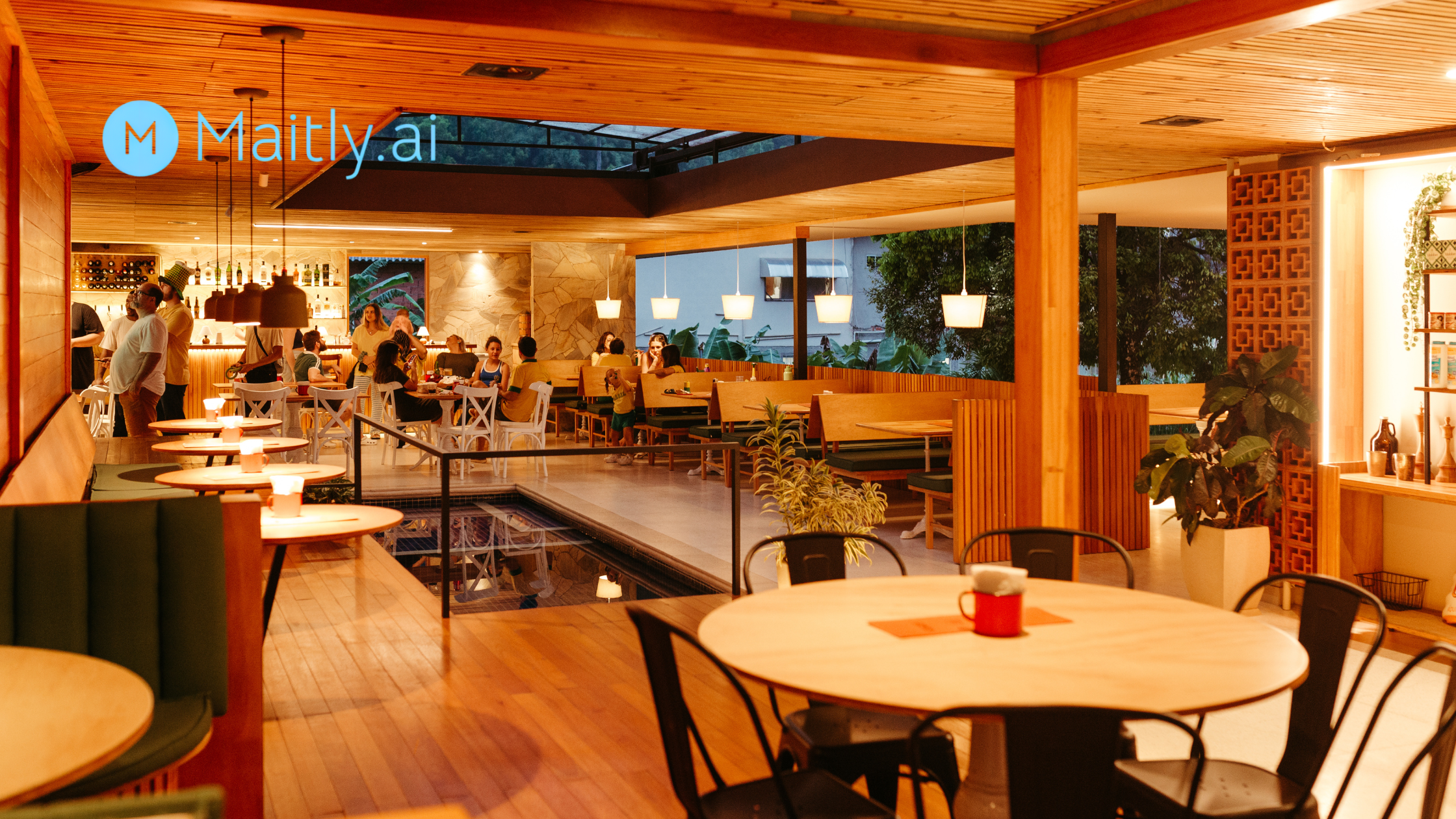
The restaurant industry is evolving at a rapid pace, with technology playing a pivotal role in shaping the way establishments operate and serve their customers. From AI-powered reservation systems to advanced kitchen management tools, the landscape of restaurant technology continues to expand, offering new opportunities for streamlining operations and enhancing guest experiences. For restaurant owners and operators, staying abreast of the latest technological advancements is crucial for maintaining a competitive edge and meeting the evolving demands of the modern diner.
The Impact of Restaurant Technology
The integration of technology into restaurant operations has revolutionized the way businesses in the hospitality industry function. From simplifying front-of-house tasks to optimizing back-of-house processes, technology has become an indispensable tool for enhancing efficiency, improving customer service, and driving profitability. Embracing the right technologies can empower restaurant owners to streamline operations, gain valuable insights through data analytics, and deliver personalized experiences to their patrons.
Consumers have come to expect a seamless and tech-savvy dining experience, presenting a compelling case for restaurant owners to invest in innovative technologies that cater to the evolving preferences of their customer base. However, navigating the vast array of available solutions can be overwhelming, making it essential for restaurant owners to consider several critical factors before implementing new technologies.
Top 10 Considerations for Restaurant Technology
1. Customer-Centric Solutions: When evaluating restaurant technology, prioritizing solutions that enhance the overall guest experience is paramount. From mobile ordering and payment platforms to digital loyalty programs, investing in customer-centric technologies can help foster strong relationships with patrons and drive repeat business.
2. Operational Integration: Restaurant owners should seek technology solutions that seamlessly integrate with existing operational processes. Whether it’s inventory management, POS systems, or kitchen automation, compatibility and integration capabilities are crucial for ensuring a cohesive and efficient workflow.
3. Scalability and Flexibility: As restaurants grow and expand, the technology they rely on should be scalable to accommodate increased demand and flexible enough to adapt to evolving business needs. Scalable solutions ensure that as the restaurant evolves, its technology infrastructure can keep pace with its expansion.
4. Data Security and Compliance: With the increasing reliance on digital platforms for customer interactions and transactions, safeguarding sensitive data and ensuring compliance with industry regulations are non-negotiable. Restaurant owners must prioritize technology solutions that uphold robust security measures and adhere to relevant data protection standards.
5. Staff Training and Support: Implementing new technology often requires thorough training and ongoing support for restaurant staff. Access to comprehensive training resources and responsive support services from technology providers is essential for ensuring a smooth transition and maximizing the benefits of the new systems.
6. Cost-Effectiveness and ROI: While investing in technology is essential, restaurant owners must carefully assess the long-term return on investment (ROI) of any technology adoption. Understanding the total cost of ownership and evaluating the potential benefits in terms of increased efficiency, revenue generation, and customer satisfaction is crucial.
7. Guest Feedback and Analytics: Leveraging technology to gather and analyze guest feedback can provide valuable insights into customer preferences, satisfaction levels, and areas for improvement. Integrated analytics solutions enable restaurant owners to make data-driven decisions that enhance the overall dining experience.
8. Mobile and Online Presence: In today’s digital landscape, having a strong mobile and online presence is imperative for restaurants. Considerations such as mobile-friendly websites, online reservation systems, and social media engagement are critical components of a comprehensive restaurant technology strategy.
9. Sustainability and Environmental Impact: With an increasing focus on sustainability, restaurant owners should evaluate technology solutions that contribute to environmental conservation, energy efficiency, and waste reduction. Embracing eco-friendly technologies aligns with consumer preferences and supports sustainable business practices.
10. Future-Proofing: Anticipating future trends and advancements in technology is essential for making informed decisions about long-term investments. Restaurant owners should assess the scalability and adaptability of technology solutions to ensure they remain relevant and effective in the face of evolving industry dynamics.
Key point
In a rapidly evolving industry, the strategic adoption of restaurant technology has the potential to transform operations, elevate customer experiences, and drive sustainable growth for hospitality businesses. By carefully evaluating the aforementioned considerations and aligning technology investments with their unique business objectives, restaurant owners can position their establishments for success in an increasingly digital landscape.
As technology continues to reshape the restaurant industry, the significance of choosing the right solutions and leveraging them effectively cannot be overstated. From optimizing operational workflows to engaging customers in meaningful ways, restaurant technology serves as a catalyst for innovation and differentiation in a competitive market.