


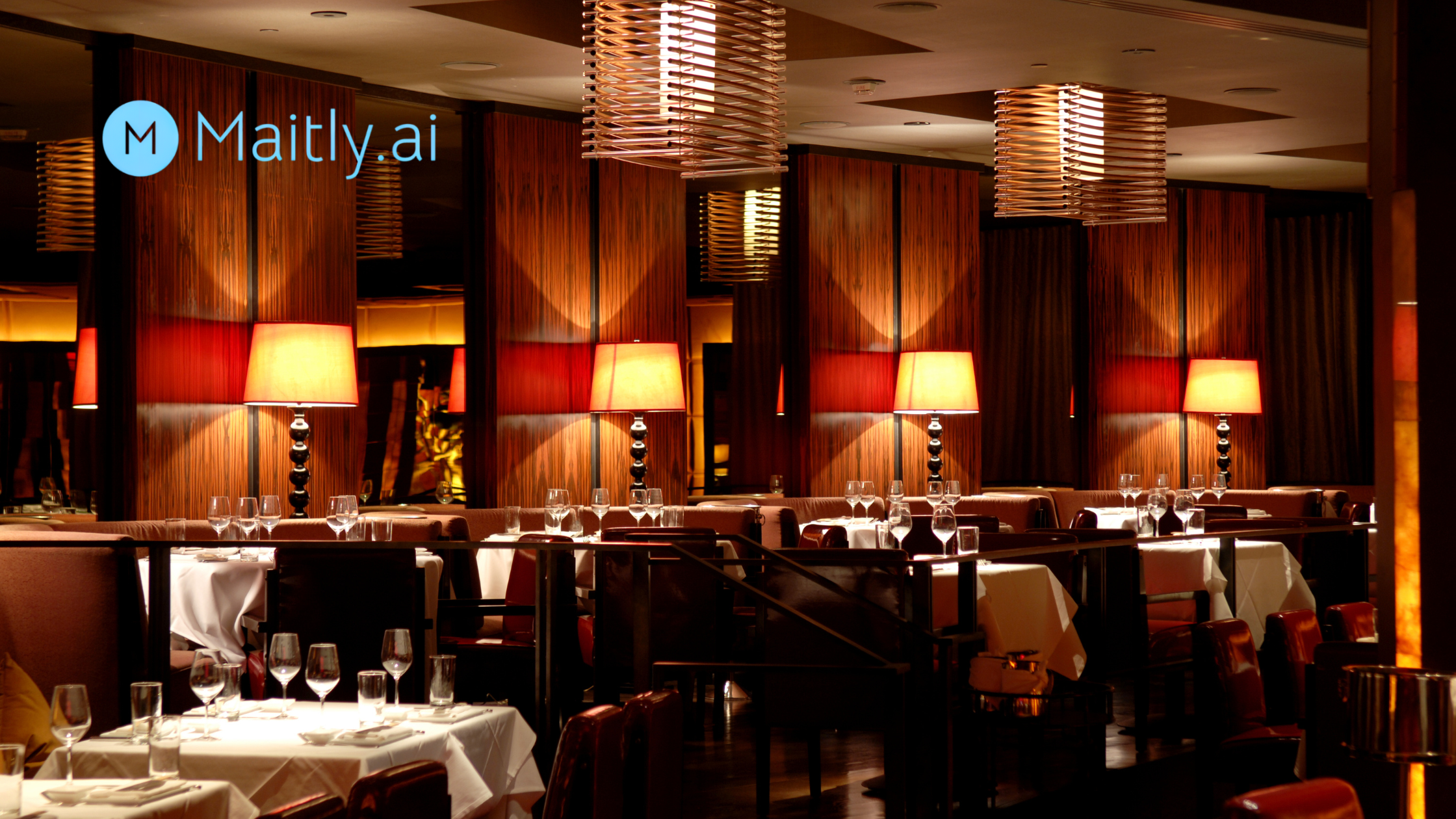
Artificial intelligence (AI) has been making significant strides in various sectors, and the restaurant industry is no exception. In recent years, AI technology has gained traction and is transforming the way restaurants operate, from enhancing customer experiences to optimizing operations and improving efficiency. This revolution is reshaping the dining landscape, offering new possibilities and raising the bar for both restaurateurs and patrons.
Enhancing Customer Experiences
One of the most notable impacts of AI in the restaurant industry is the enhancement of customer experiences. AI-driven systems, such as chatbots and virtual assistants, have become integral tools for interacting with customers. These technologies allow restaurants to provide personalized recommendations, handle reservations, and address customer inquiries promptly and efficiently. By analyzing customer preferences and behaviors, AI can tailor recommendations, creating a more personalized and engaging dining experience. Moreover, AI-powered virtual assistants enable diners to make reservations, place orders, and receive real-time updates, all without human intervention.
With the advancement of AI, restaurants can also leverage data analytics to gain insights into customer preferences, enabling them to anticipate demand and adjust their offerings accordingly. This level of customization and proactive service not only enhances customer satisfaction but also fosters loyalty and repeat business.
Operational Efficiency and Optimization
AI technology has revolutionized operational processes in the restaurant industry, streamlining various aspects of management. From inventory management to workforce scheduling, AI systems have proven instrumental in optimizing operations. Predictive analytics powered by AI can forecast demand, allowing restaurants to optimize inventory levels and reduce wastage. This not only minimizes costs but also ensures that popular menu items are consistently available, thereby enhancing customer satisfaction.
Furthermore, AI-driven scheduling tools can analyze historical data and current trends to optimize staffing requirements. By effectively aligning labor resources with demand, restaurants can minimize overstaffing during slow periods and prevent understaffing during peak hours. This not only improves operational efficiency but also contributes to a more seamless and enjoyable dining experience for customers.
Empowering Menu Innovation and Customization
AI has also empowered restaurants to innovate and customize their menus based on data-driven insights. By analyzing customer preferences and purchasing patterns, AI can identify emerging food trends and provide valuable insights for menu development. This enables restaurants to introduce new and innovative dishes that resonate with their target audience, ultimately enhancing their competitive edge in the market.
Moreover, AI-powered systems can personalize menu recommendations based on individual customer preferences, dietary restrictions, and previous dining experiences. This level of customization not only enhances the dining experience for customers but also contributes to increased sales and customer satisfaction.
Streamlining Food Preparation and Service
In the realm of food preparation and service, AI has brought about transformative advancements. Automated kitchen systems equipped with AI technology can optimize cooking processes, automate repetitive tasks, and ensure consistency in food quality. By utilizing AI-powered equipment and robotics, restaurants can improve the speed and accuracy of food preparation while maintaining high standards of quality and hygiene.
Additionally, AI has enabled the implementation of predictive maintenance systems, which can anticipate equipment failures and prevent downtime. This proactive approach to equipment maintenance minimizes disruptions in kitchen operations, ensuring a smooth and uninterrupted dining experience for patrons.
Data-Driven Decision Making
AI has empowered restaurant operators with valuable insights derived from data analysis, enabling them to make informed decisions and strategic adjustments. By harnessing the power of AI-driven analytics, restaurants can gain a deeper acknowledging of their business performance, customer behavior, and market trends. This data-driven approach facilitates informed decision making, allowing restaurants to optimize their strategies, refine their offerings, and adapt to evolving consumer preferences.
Moreover, AI enables restaurants to gather and analyze feedback from various sources, including social media, online reviews, and customer surveys. This comprehensive feedback analysis provides actionable insights for enhancing customer experiences, refining menu offerings, and addressing any areas of improvement.
To summarize
The integration of AI technology in the restaurant industry has ushered in a new era of innovation, efficiency, and customer-centric operations. From enhancing customer experiences to optimizing operational processes and empowering menu innovation, AI has become a transformative force, shaping the future of dining establishments. As AI continues to evolve, it holds the promise of further revolutionizing the restaurant industry, offering endless possibilities for enhancing efficiency, personalization, and overall dining experiences.